
We are among the most reputable companies on the marketplace that engages manufacturing, trading, and supplying PVC Coving. It is essentially an extruded product and is manufactured with two types of extrusion are integrated. We generally use soft materials as our basis for the production. Our products are strong and durable, have a long shelf life. We adhere to all industrial standards.
Altos Engineers Pvt Ltd is one of the most respected PVC coving manufacturers in Delhi NCR and across India. If you have any questions, please contact us.
PVC Coving
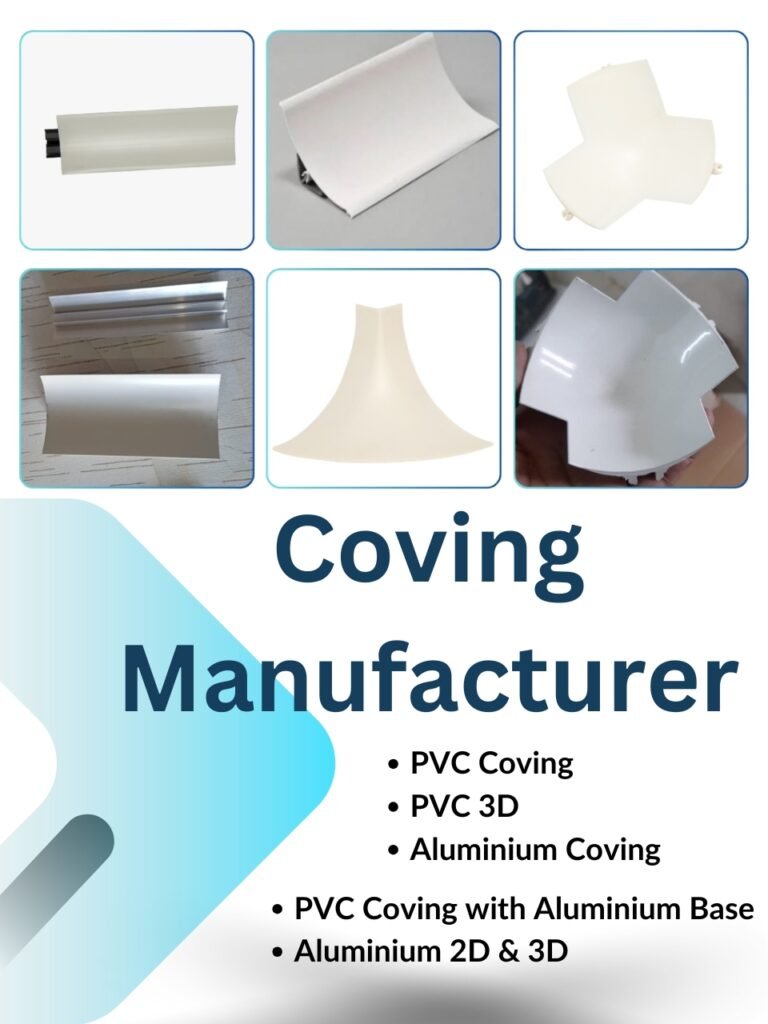
Coving Manufacturer – Complete Coving Accessories Solution Under One Roof.
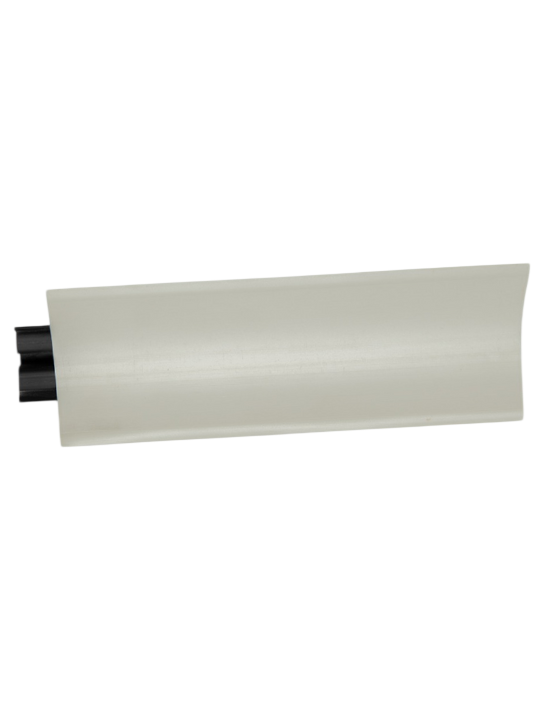
PVC Coving
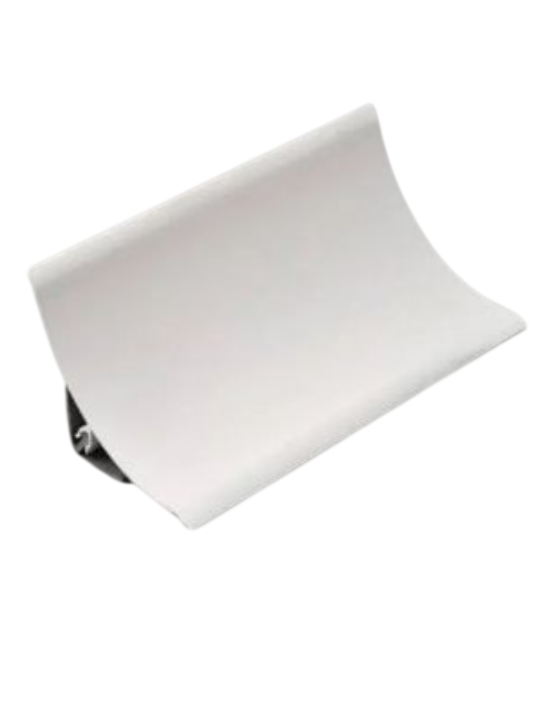
Aluminium 2D & 3D
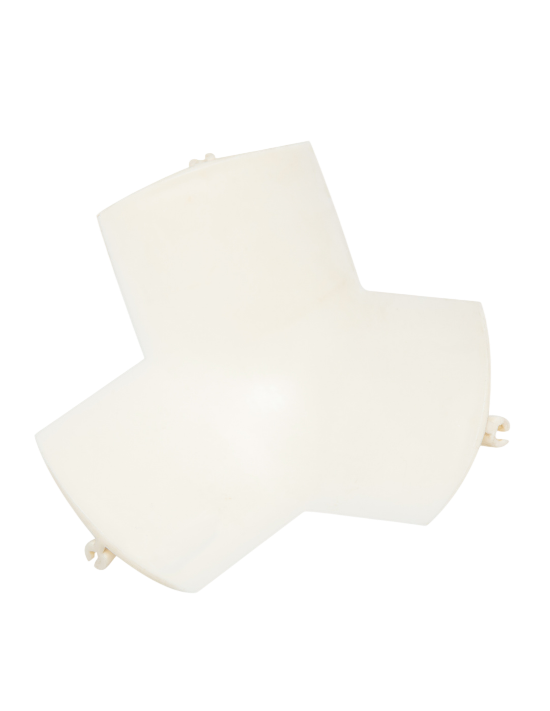
PVC 3D
PVC Coving
Aluminium 2D & 3D
PVC 3D
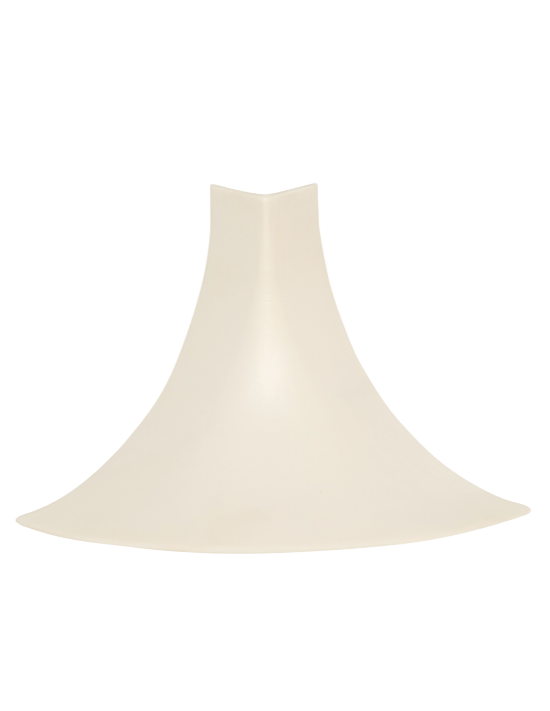
Aluminium 2D & 3D
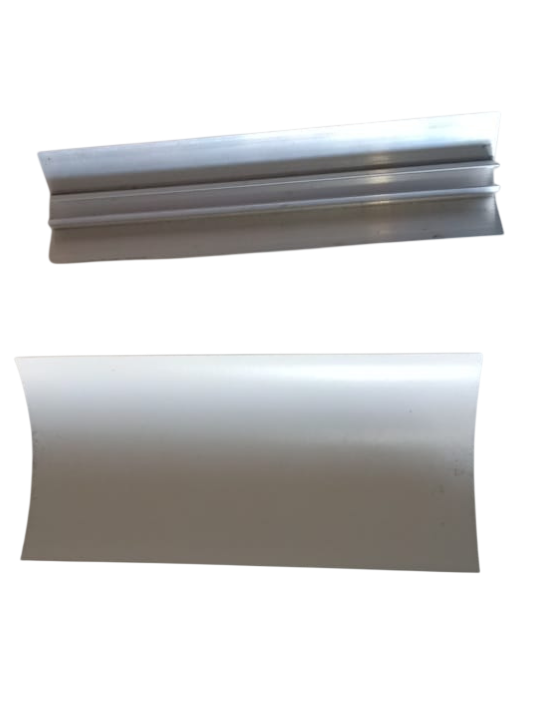
PVC Coving with Aluminium Base
Aluminium 2D & 3D
PVC Coving with Aluminium Base
pvc coving manufacturer
Technical Specifications
- pvc coving manufacturer
Features
- pvc coving manufacturer
pvc coving – polyvinyl chloride coving latest price, pvc coving at best price from manufacturers, suppliers, pvc coving manufacturers suppliers in new delhi, top pvc coving manufacturers in gurgaon, gurgaon near me, pvc coving with aluminum base, pvc coving in gurgaon haryana at best price, pvc coving – best prices, manufacturer & supplier.
Delhi NCR may be a reference to Delhi can refer to Union Territory of Delhi NCT as well as the city of Delhi and Delhi is the National Capital Region of Delhi that includes Delhi NCT as well as several areas from states in the vicinity. It could also be a reference towards Delhi Cantonment (which, together with the cities of Delhi and New Delhi, makes up Delhi NCT). The city was designed and built in the early part of the 20th century to ensure it could be constructed so that British could move their capital city of India to Calcutta to city of central Delhi. New Delhi is adjacent to Old Delhi the historic capital of the Mughal Empire.
What is PVC Coving?
PVC coving is a type of molding made from polyvinyl chloride, commonly used in commercial and residential interiors. It’s designed to cover the junction between walls and ceilings or floors, providing both aesthetic and functional benefits. PVC coving is lightweight, durable, and versatile, making it an ideal choice for various settings, including hospitals, schools, offices, and residential homes.
One of the standout features of PVC coving is its resistance to moisture and chemicals. This makes it particularly suitable for environments where cleanliness is paramount, such as medical facilities and kitchens. Unlike traditional coving materials like wood or plaster, PVC does not rot or warp over time. Additionally, it can be easily cleaned and maintained, which is essential in high-traffic or sanitary environments.
PVC coving is available in various profiles, designs, and colors, allowing for seamless integration into different interior designs. It’s generally easy to install, with many options featuring a pre-adhesive backing for quick application. Given its affordability and effectiveness, PVC coving has become a popular choice among interior designers and builders alike.
What is the Purpose of Coving?
Coving serves multiple purposes, both functional and aesthetic, in interior design:
Preventing Damage: Coving protects the corners where walls meet floors or ceilings. This area is often prone to damage from cleaning equipment, furniture, and foot traffic. Coving provides a protective barrier that can help extend the life of the walls and the overall structure.
Ease of Cleaning: The curved shape of coving creates a smooth transition between surfaces, which helps eliminate dirt traps that can gather in sharp corners. This is particularly important in environments that require high hygiene standards, such as hospitals and kitchens.
Aesthetic Appeal: Coving adds a decorative element to the interior space. It can enhance the overall design by creating a more polished and finished look. The variety of styles available allows for a tailored fit that complements any decor.
Concealing Imperfections: PVC coving can mask imperfections in wall and ceiling joints, providing a cleaner look. This is especially useful in renovation projects where existing lines may be uneven.
Acoustic Benefits: In some settings, coving can help with sound absorption, contributing to a quieter environment and enhancing privacy, especially in large open areas.
Is Plastic Coving Any Good?
Plastic coving, including PVC coving, offers several advantages that make it a reliable choice for various applications:
Durability: PVC is highly resistant to impacts, moisture, chemicals, and UV rays. Unlike wood or plaster, it won’t chip, crack, or rot, ensuring a long-lasting solution.
Ease of Installation: With lightweight material and often pre-adhesive options, PVC coving is easy to handle and install. This reduces labor costs and time, making it an attractive choice for contractors.
Low Maintenance: PVC coving requires little upkeep. A simple wipe with a damp cloth is often sufficient to keep it clean, making it ideal for busy environments.
Style Versatility: With various designs, colors, and finishes available, plastic coving can suit any interior style—be it modern, traditional, or minimalist.
Cost-Effectiveness: Generally, more affordable than traditional coving materials, plastic coving provides a budget-friendly option without compromising on quality.
PVC coving offers durability, ease of installation, low maintenance, aesthetic versatility, and cost-effectiveness, making it an excellent choice for any space.
How to Cut PVC Coving Corners?
Cutting PVC coving corners requires precision to ensure a clean and seamless finish. Here’s a step-by-step guide to help you achieve the best results:
Gather Tools: You will need a measuring tape, miter saw or hand saw, square, pencil, and safety glasses.
Measure and Mark: Measure the length of the coving that fits the corners. Use a square to mark a 45-degree angle on the back of the coving where it will meet another piece.
Set the Saw: Adjust the miter saw to a 45-degree angle. If you’re using a hand saw, ensure you’re cutting at the same angle as marked.
Cut the Corners: Carefully cut along the marked lines. Ensure steady pressure and maintain control to avoid damaging the material.
Test Fit: Before final installation, fit the cut pieces together to ensure they connect snugly at the corners. Make any adjustments if necessary.
Finalize Installation: Once satisfied with the fit, apply adhesive as per product instructions and press the coving firmly into place.
By following these steps, you can effectively cut and install PVC coving corners, ensuring a professional-looking finish for your project.
PVC Coving Corners
PVC coving corners are specially designed sections of coving that facilitate a seamless transition at the junctions where two walls meet or when connecting coving pieces at right angles. These corners are crucial for achieving a polished, uniform look in any interior space. They eliminate the sharp angles that can trap dirt and dust, making cleaning easier.
When installing PVC coving corners, one can choose from different types, including internal and external corners. Internal corners help join two coving lengths that turn inward, while external corners are used for outward turns. Properly cutting and fitting these corners helps maintain structural integrity and aesthetic appeal, ensuring that the coving remains both functional and decorative.
Coving for Clean Rooms
Coving for clean rooms is specifically designed to meet stringent hygiene and cleanliness standards required in controlled environments, such as pharmaceutical labs and food processing facilities. The smooth, continuous curve of coving minimizes the buildup of dust and contaminants, making it easier to clean and maintain sterile conditions.
Made from materials like PVC or epoxy, clean room coving is resistant to chemicals and wear, ensuring longevity and durability. Its design eliminates sharp corners where dirt can accumulate, thus fostering a pristine environment crucial for compliance with health and safety regulations. Additionally, clean room coving can withstand frequent washdowns, contributing to overall workplace hygiene.
Coving Floor
Coving floor refers to the application of a coving system at the junction of walls and floors, creating a smooth, round transition that prevents dirt accumulation and makes cleaning easier. This approach is prevalent in various settings, especially in commercial kitchens, laboratories, and healthcare facilities, where maintaining hygiene is essential.
The coving floor design not only enhances the aesthetic appeal of the space but also minimizes wear and tear on the wall and floor junctions. The use of durable materials, such as vinyl or epoxy, ensures that the coving can withstand heavy foot traffic and is easy to maintain. Coving floors can also contribute to effective waterproofing, preventing moisture infiltration that can lead to structural damage.
Coving in Waterproofing
Coving plays a vital role in waterproofing applications, particularly in environments exposed to moisture, such as bathrooms, kitchens, and basements. By creating a seamless transition between walls and floors, coving helps prevent water from seeping into joints, which can cause mold growth and structural damage.
When applied with waterproof materials like PVC or epoxy, coving creates a barrier that enhances the overall waterproofing system of a building. It ensures that there are no gaps or seams for water to penetrate, thereby contributing to the longevity and integrity of the structure. Additionally, the smooth surface of coving allows for efficient cleaning and maintenance, further bolstering its effectiveness in moisture-prone areas.
Epoxy Coving
Epoxy coving is a specialized type of coving made from epoxy resin, known for its exceptional durability and chemical resistance. This type of coving is often used in industrial, commercial, and healthcare settings due to its ability to withstand harsh environments and frequent cleaning.
The chemical-resistant properties of epoxy coving make it ideal for areas exposed to spills, such as laboratories and kitchens. It also provides a seamless, hygienic finish that is easy to clean, minimizing the risk of bacteria accumulation. Additionally, epoxy coving is available in various colors and finishes, allowing customization to match interior designs while ensuring functionality.
Epoxy coving not only enhances the aesthetic appeal of a space but also contributes to health and safety standards, making it a preferred choice in many applications.
Coving Features
- Wall to wall & wall to ceiling coving
- Aluminium snap on backing angle
- Internal corners
- Silicone required for airtight seal
- Zero maintenance
- Easily replaceable in matter of seconds
- Aesthetic look & appeal
- Colour choice as per our standard shade card
- 2D & 3D pieces are available